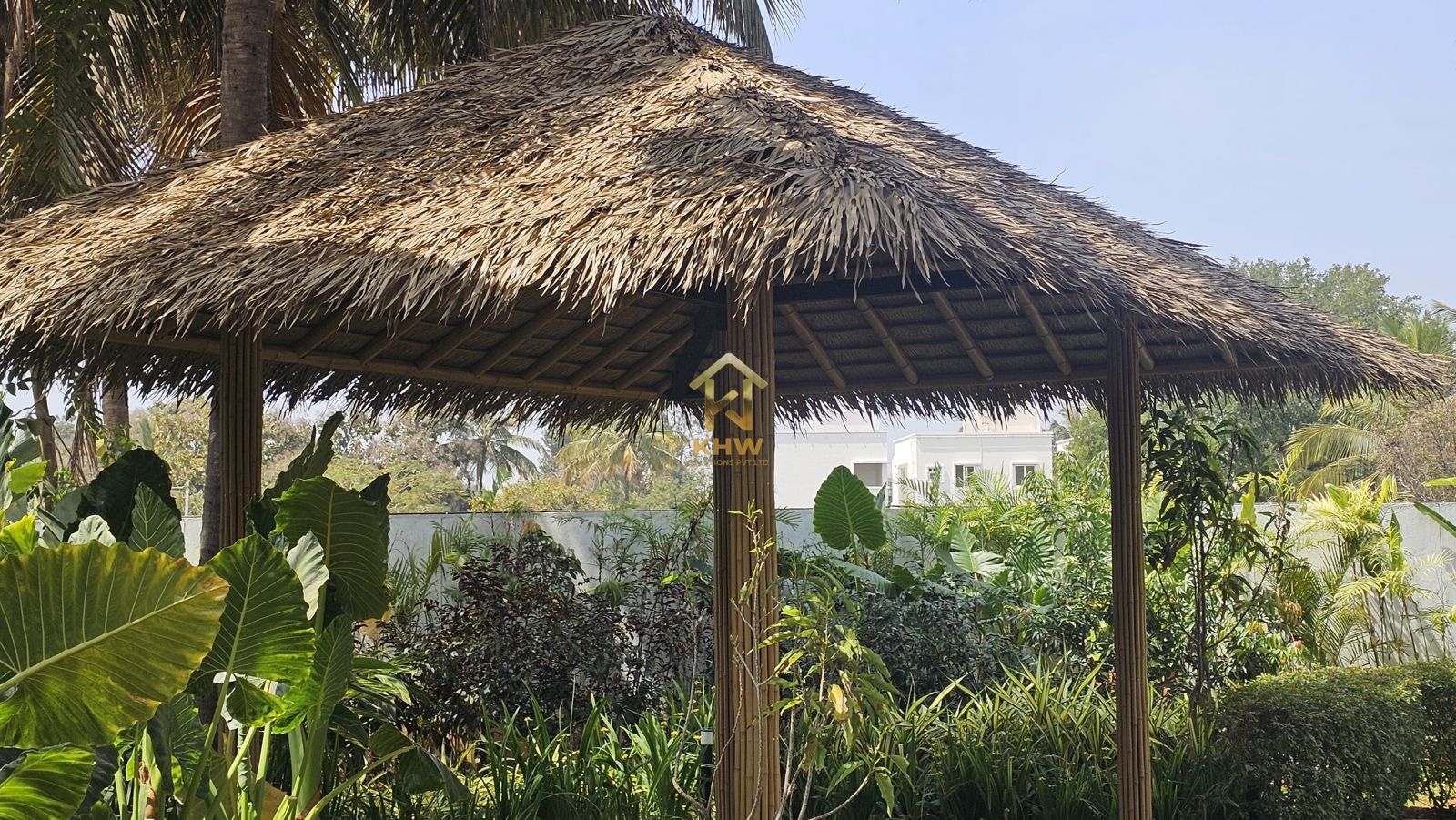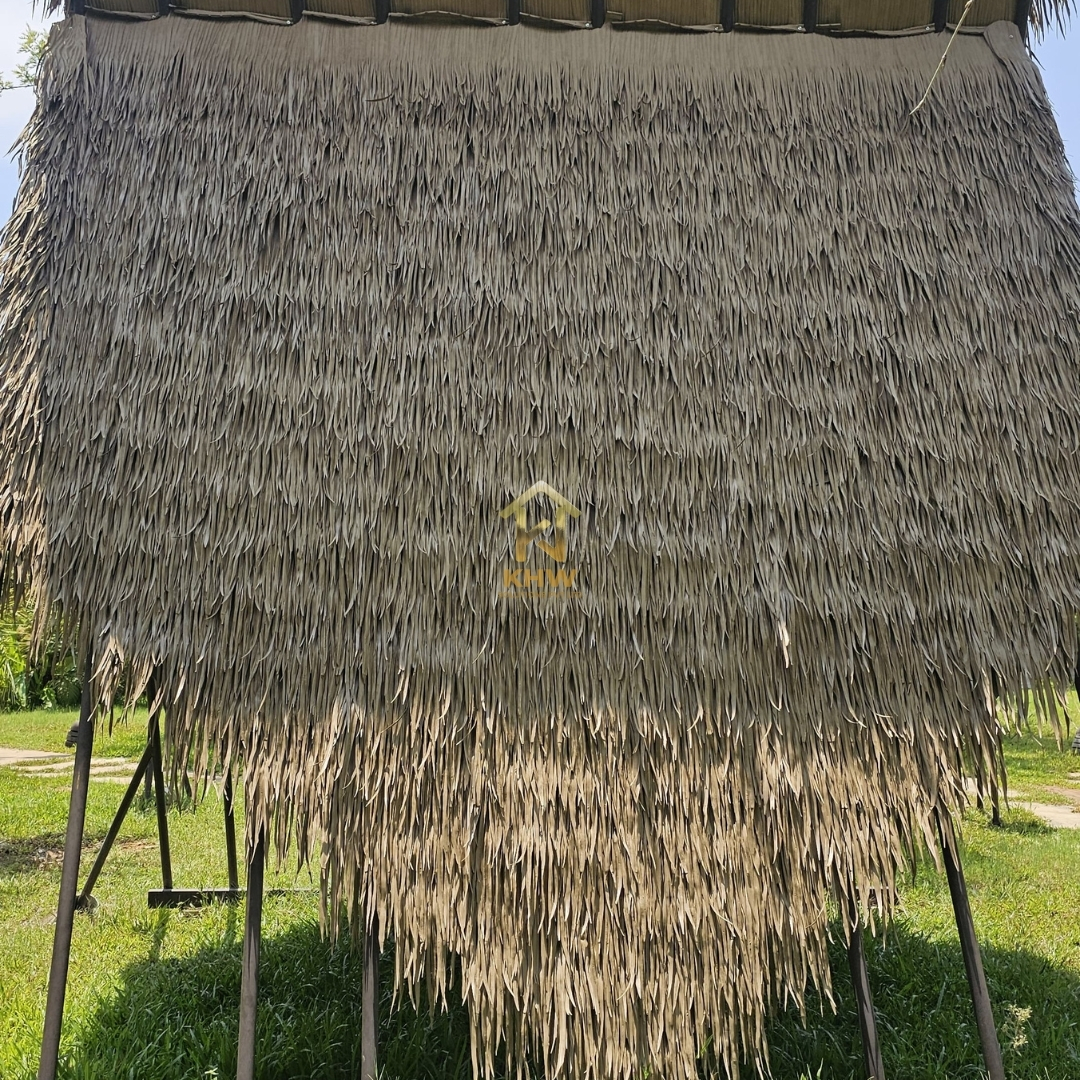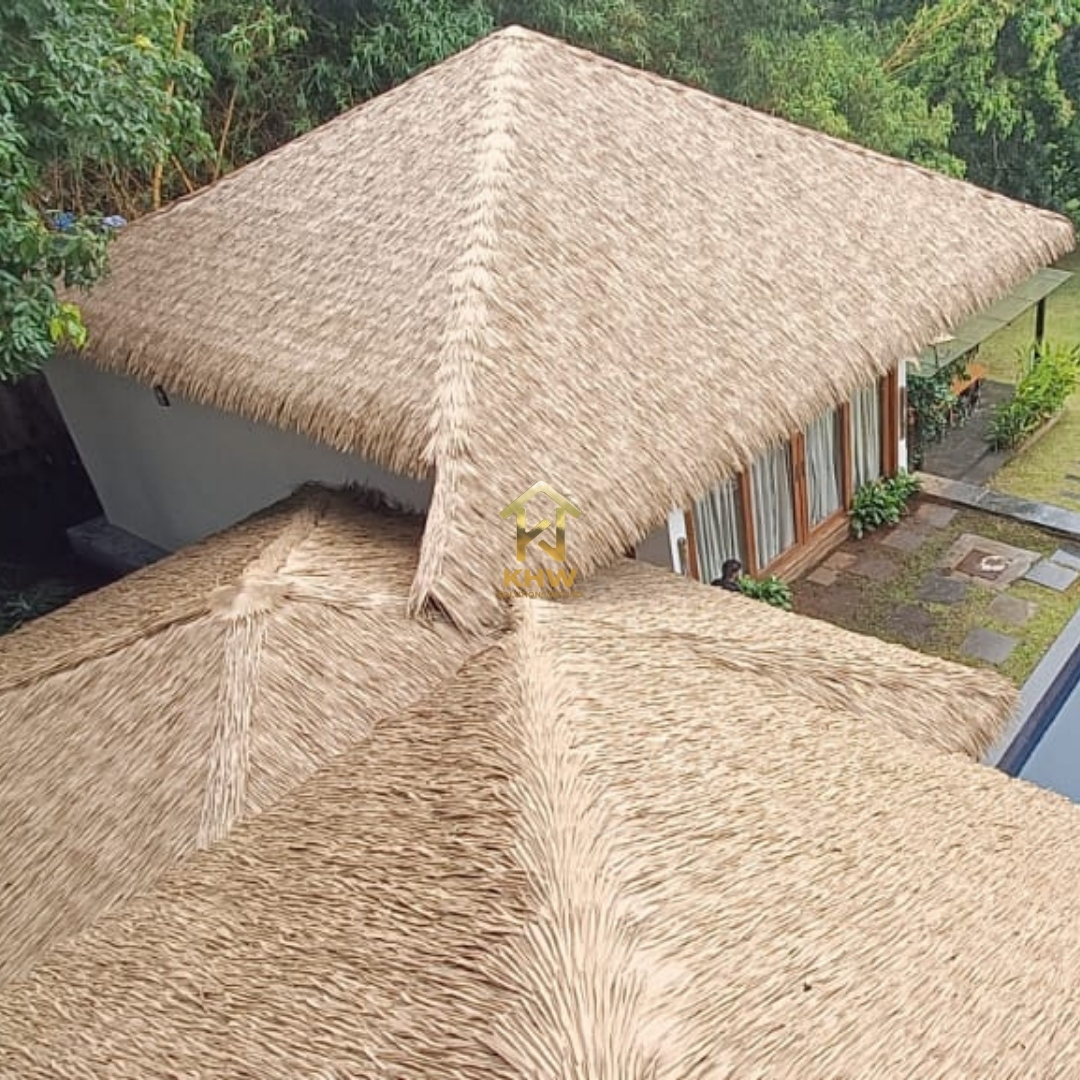
Coastal resorts are all about experience—sun, sand, sea, and a strong visual identity that guests remember. One of the most defining elements of a beachfront property is its architecture, especially roofing. Traditionally, natural thatch has been used to create that tropical, island-style aesthetic. However, modern challenges like harsh weather, high humidity, and maintenance issues have pushed resort owners to look for better alternatives.
This is where synthetic thatch roofing stands out as a game-changing solution. It delivers the same natural charm while offering superior durability, safety, and long-term value—making it the ideal choice for coastal resorts and beachfront properties.
The Challenges of Coastal Roofing
Before understanding why synthetic thatch is superior, it’s important to look at the conditions coastal properties face:
- High humidity and constant moisture
• Strong winds and occasional storms
• Salt-laden air that accelerates material corrosion
• Intense sun exposure and UV damage
• Frequent maintenance due to environmental wear
Natural thatch struggles in these environments. It absorbs moisture, rots quickly, attracts pests, and requires frequent replacement—leading to high operational costs.
What is Synthetic Thatch Roofing?
Synthetic thatch is an advanced roofing material designed to replicate the look of natural palm leaves or straw. It is typically made from high-quality polymers engineered to withstand extreme environmental conditions.
Unlike natural thatch, synthetic variants are:
- Water-resistant
- UV-stabilized
- Non Fire-retardant & Fire-retardant Variations
- Pest-resistant
- Long-lasting
This makes them particularly suited for demanding coastal climates.
Key Reasons Synthetic Thatch is Perfect for Coastal Resorts
1. Exceptional Weather Resistance
Coastal weather can be unpredictable and harsh. Synthetic thatch is designed to withstand:
- Heavy rain without water absorption
- Strong winds without dislodging
- UV rays without fading or cracking
This ensures that your resort maintains its visual appeal year-round without constant repairs.
2. Resistance to Salt Air Corrosion
Salt in coastal air is one of the biggest enemies of building materials. It causes rapid deterioration, especially in natural materials.
Synthetic thatch is:
- Non-corrosive
- Chemically stable
- Resistant to salt exposure
This significantly extends the lifespan of the roof compared to traditional thatch.
3. Low Maintenance, High Savings
Natural thatch requires:
- Regular replacement (every 2–5 years)
- Pest control treatments
- Frequent repairs
Synthetic thatch, on the other hand:
- Lasts 10–20+ years
- Requires minimal upkeep
- Reduces labor and maintenance costs
For resort owners, this translates into lower long-term operational expenses and higher ROI.
4. Fire Safety & Compliance
Safety is critical, especially in hospitality projects.
Synthetic thatch products are often:
- Available in Fire-Retardant & Non Fire-Retardant Option
- Tested for safety standards
- Suitable for commercial compliance
Natural thatch is highly flammable, making it a risky option for resorts, restaurants, and beach bars.
5. Consistent Aesthetic Appeal
In hospitality, looks matter just as much as performance.
Synthetic thatch offers:
- Uniform appearance across all structures
- No discoloration or patchiness over time
- A premium, well-maintained tropical look
It helps create that “Instagram-worthy” resort vibe that attracts guests and boosts brand perception.
6. Eco-Friendly Alternative
While natural thatch may seem eco-friendly, it often leads to:
- Frequent harvesting of natural resources
- Short lifespan and repeated replacements
Synthetic thatch reduces environmental impact by:
- Lasting longer (less frequent replacement)
- Reducing waste
- Offering recyclable material options
This aligns well with modern eco-conscious resort branding.
7. Versatile Design Applications
Synthetic thatch is not limited to roofs. Coastal resorts can use it for:
- Beachfront villas
- Poolside gazebos
- Outdoor dining areas
- Bars and lounges
- Entrance structures
This allows designers to maintain a consistent theme throughout the property.
Synthetic Thatch vs Natural Thatch: Quick Comparison
| Feature | Natural Thatch | Synthetic Thatch |
| Lifespan | 2–5 years | 10–20+ years |
| Maintenance | High | Low |
| Fire Resistance | No | Yes |
| Pest Resistance | No | Yes |
| Weather Resistance | Moderate | Excellent |
| Cost Over Time | High | Cost-effective |
Why Coastal Resorts Are Rapidly Switching to Synthetic Thatch
The hospitality industry is becoming more experience-driven and cost-conscious. Resort owners are now prioritizing:
- Long-term durability
- Reduced maintenance
- Safety compliance
- Consistent aesthetics
Synthetic thatch checks all these boxes—making it a smart, future-ready investment.
Final Thoughts
For beachfront properties, roofing is more than just protection—it’s part of the guest experience. While natural thatch may offer authenticity, it fails to meet the demands of modern coastal environments.
Synthetic thatch provides the perfect balance of beauty, durability, safety, and cost-efficiency, making it the ideal choice for resorts looking to stand out while staying practical.
Ready to Upgrade Your Resort Roofing?
If you’re planning a resort, café, or beachfront project and want a premium tropical look without the maintenance headaches, synthetic thatch is the solution.
Contact KHW Solutions today to explore high-quality synthetic thatch roofing systems tailored for your project.