In today’s hospitality and real estate market, creating visually stunning and memorable spaces is just as important as providing comfort. Resorts, beach cafés, poolside bars, farm stays, theme restaurants, and luxury villas are increasingly embracing tropical design aesthetics to attract guests and create immersive experiences.
One of the most impactful ways to achieve this look is through thatch roofing.
Traditionally, natural thatch made from palm leaves or straw was used to create tropical-style roofs. While visually appealing, natural thatch comes with several limitations. This is where synthetic thatch roofing emerges as the best modern alternative—offering the same tropical charm with far greater durability, safety options, and cost efficiency.
In this article, we explore why synthetic thatch is the ideal roofing solution for resorts and properties aiming for a tropical vibe.
What Is Synthetic Thatch Roofing?
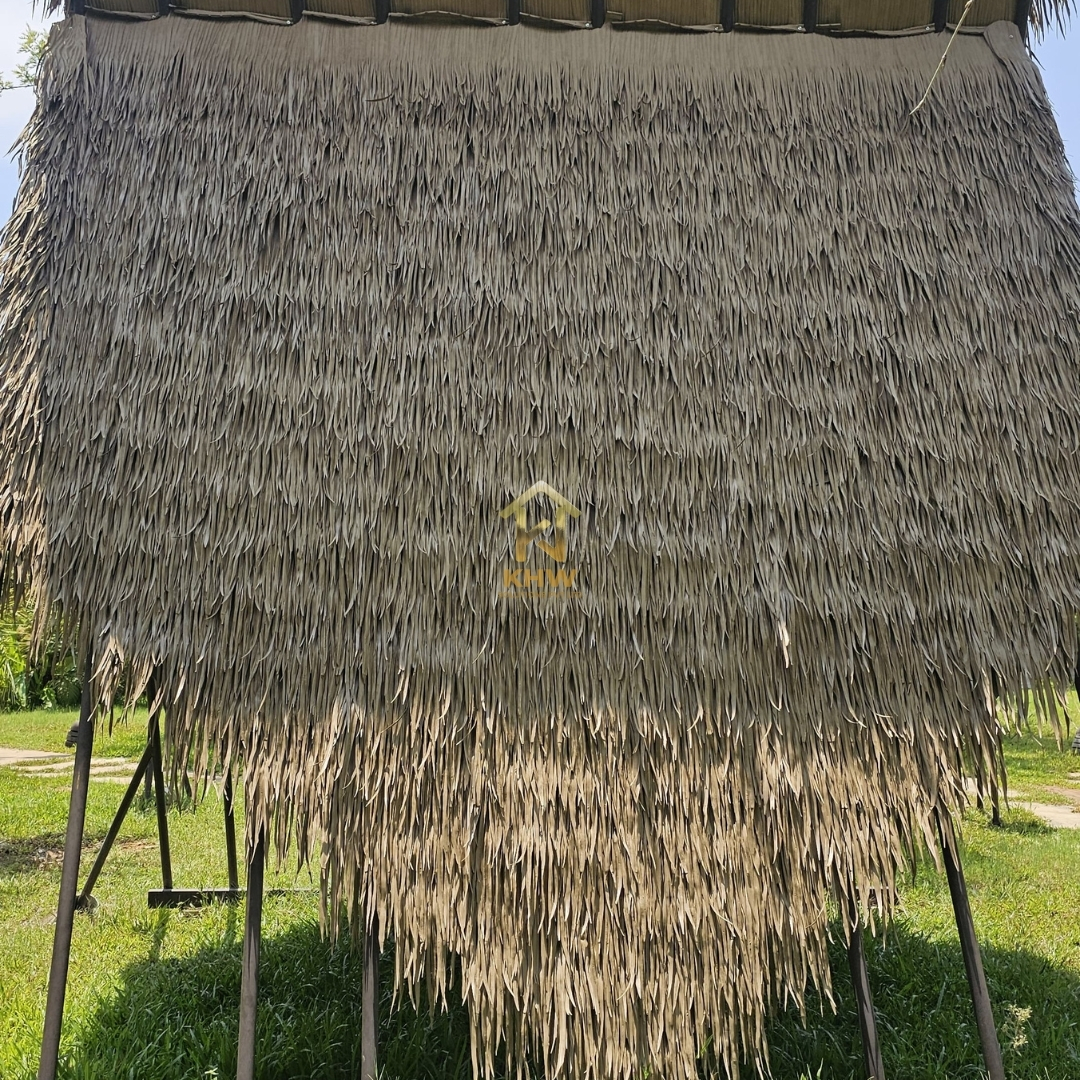
Synthetic thatch is a scientifically-made roofing material designed to replicate the appearance and texture of natural palm or straw thatch. It is manufactured using advanced polymer materials that are:
• UV resistant
• Weatherproof
• Pest resistant
• Long-lasting
• Available in regular and fire-retardant options
Visually, high-quality synthetic thatch is almost indistinguishable from natural thatch, but structurally it performs far better in demanding outdoor environments.
Perfect Tropical Aesthetic Without the Drawbacks
One of the biggest reasons resorts and theme properties choose thatch roofing is its warm, island-style appearance. Guests instantly associate thatched roofs with relaxation, holidays, and luxury escapes.
Synthetic thatch delivers:
• Rich texture and layered depth
• Natural-looking colors that resist fading
• Authentic tropical resort ambience
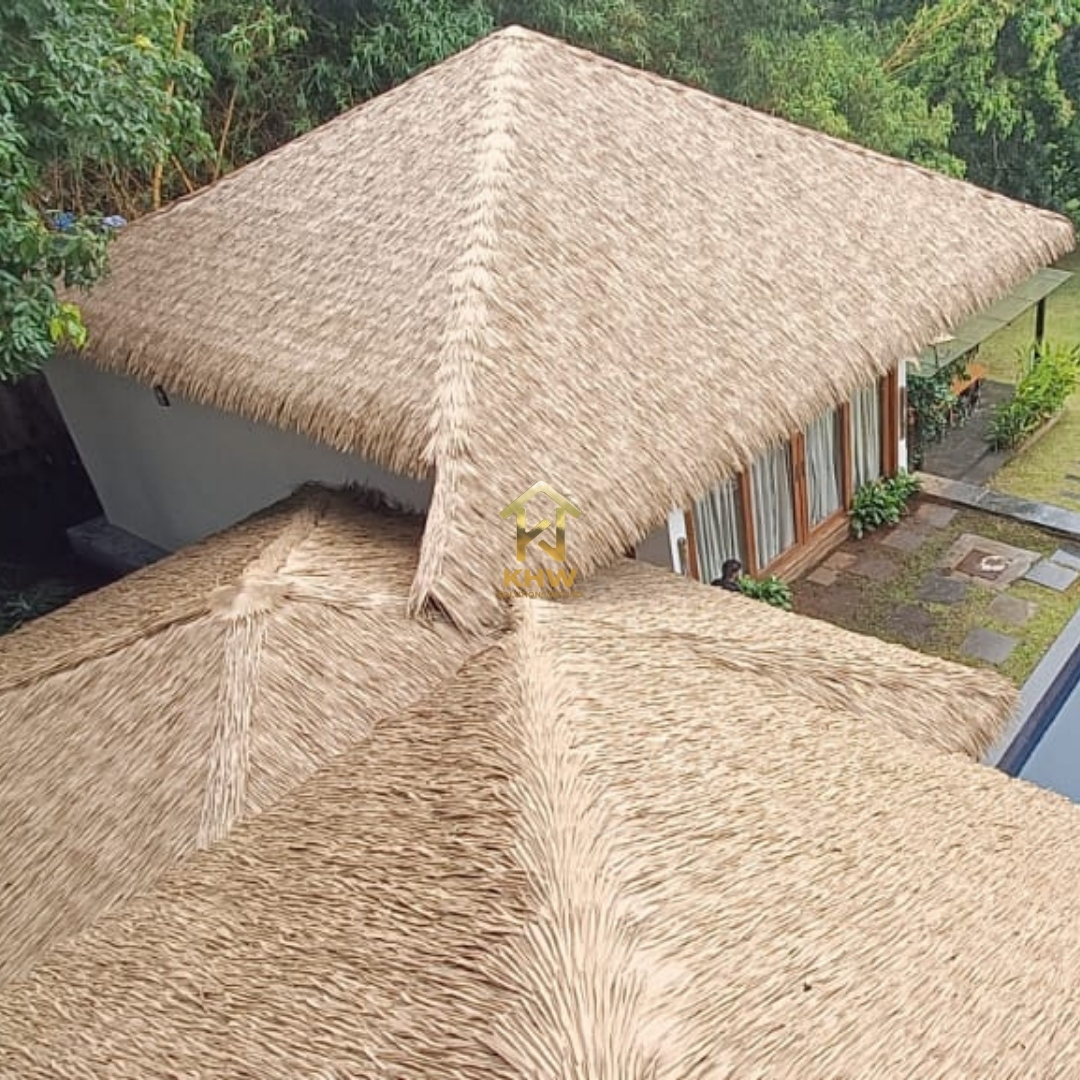
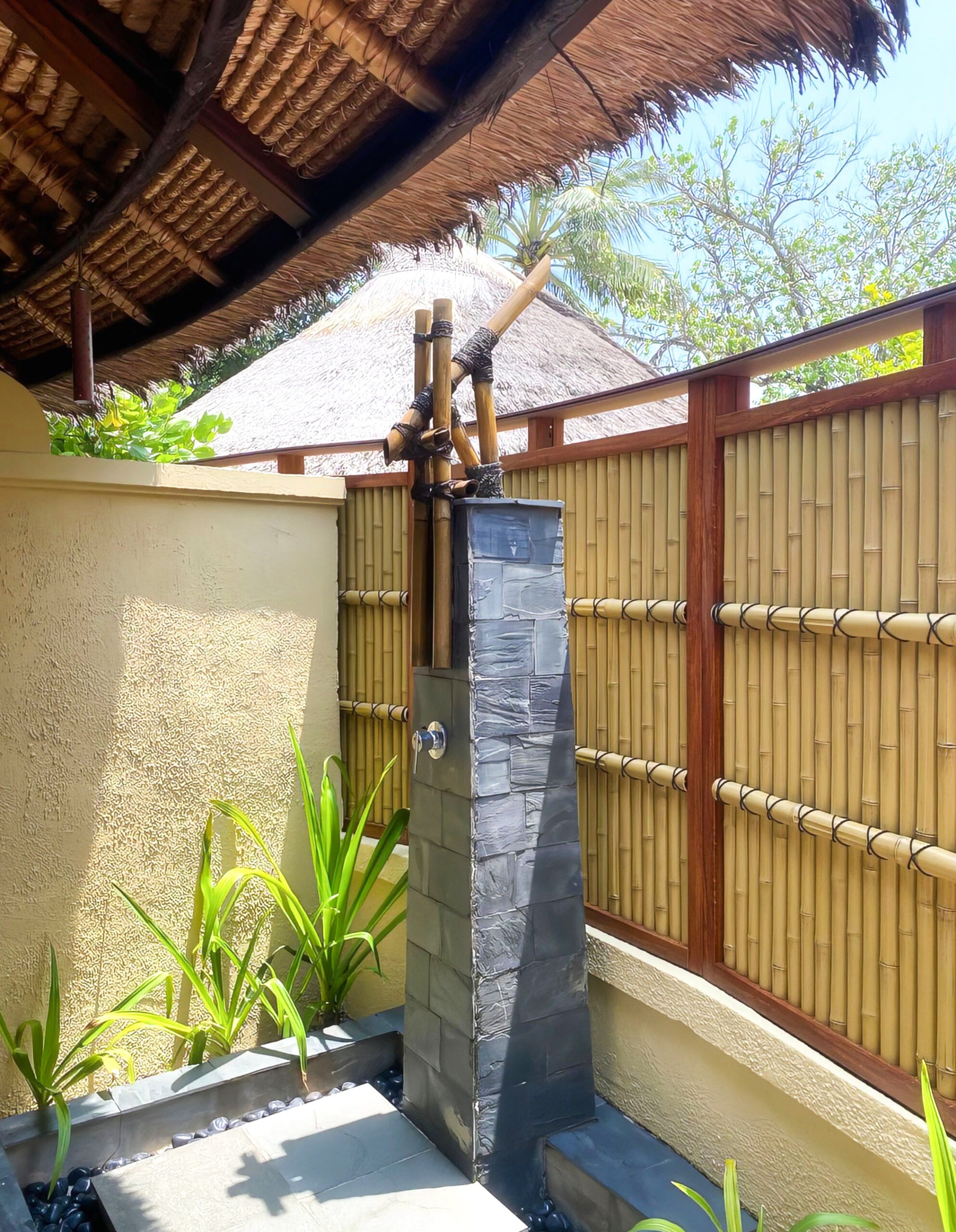
Whether it’s a Maldives-style beach resort, a Balinese spa, or a rooftop bar in the city, synthetic thatch instantly transforms ordinary structures into eye-catching tropical landmarks.
Exceptional Durability for Long-Term Use
Natural thatch typically lasts only 2–4 years in tropical climates due to rain, humidity, insects, and fungus. In contrast, synthetic thatch roofing can last 10–20 years or more with minimal maintenance.
It is engineered to withstand:
• Heavy rain and storms
• Harsh sunlight and UV exposure
• High humidity and coastal air
• Temperature fluctuations
For resort owners and developers, this extended lifespan means lower replacement costs and better long-term ROI.
Low Maintenance That Saves Time and Money
Maintenance is a major challenge with traditional thatch roofs. They require frequent inspections, replacement of damaged sections, and protection against pests.
Synthetic thatch requires:
• No chemical treatments
• No pest control
• No frequent patchwork
• Only occasional cleaning for dust or leaves
This makes it ideal for large resorts, commercial cafés, and hospitality chains where downtime directly affects revenue.
Fire Safety: Flexible Options Based on Project Needs
Fire safety is a critical consideration for hospitality and commercial properties, especially where local regulations or insurance requirements apply.
Synthetic thatch roofing is available in two variants:
• Regular Synthetic Thatch – Most commonly used for resorts, cafés, villas, and open outdoor structures
• Fire-Retardant Synthetic Thatch – Treated to slow flame spread and meet fire safety requirements where mandated
The regular variant is widely chosen for most projects due to its excellent performance, aesthetics, and cost-effectiveness.
The fire-retardant option is recommended for areas requiring additional safety compliance, such as enclosed public spaces or zones with strict fire regulations.
This flexibility allows property owners to choose the right solution based on design intent, location, and regulatory needs.
Eco-Friendly and Sustainable Choice
While natural thatch appears eco-friendly at first glance, large-scale harvesting of palm leaves can contribute to deforestation and environmental imbalance.
Synthetic thatch supports sustainability by:
• Reducing demand for natural palm resources
• Lasting significantly longer, reducing waste
• Being recyclable in many cases
• Eliminating the need for chemical treatments
Over its lifecycle, synthetic thatch often results in a lower environmental impact compared to repeated natural thatch replacement.
Flexible Design for Creative Architecture
Modern resorts and themed properties demand unique designs—curved roofs, dramatic overhangs, gazebos, poolside cabanas, and signature pavilions.
Synthetic thatch can be installed on:
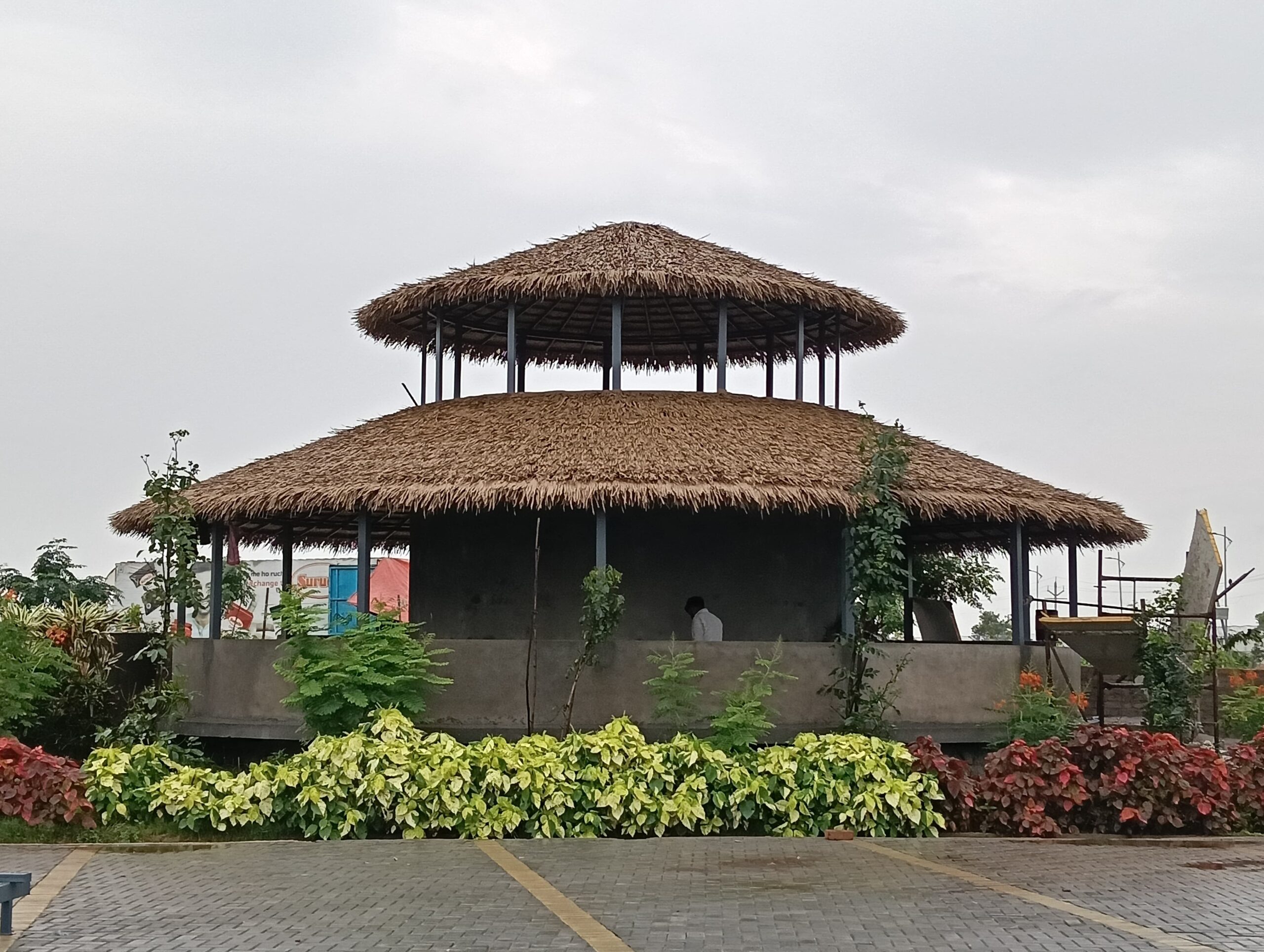
• Gazebos and pergolas
• Resort cottages and villas
• Outdoor bars and restaurants
• Theme park structures
• Beach shacks and pool lounges
It works seamlessly with metal, wood, and modern frames, giving architects and designers complete creative freedom.
Ideal for All Types of Properties
While extremely popular in resorts, synthetic thatch is widely used across many property types, including:
• Farm stays and eco-resorts
• Rooftop cafés and lounges
• Theme restaurants and pubs
• Wedding venues and event spaces
• Private villas and garden huts
• Clubhouses and pool areas
Any property seeking a relaxed, vacation-style atmosphere can benefit from synthetic thatch roofing.
Faster Installation and Predictable Timelines
Natural thatch installation is labor-intensive and heavily dependent on skilled artisans and weather conditions.
Synthetic thatch offers:
• Faster installation
• Consistent product quality
• Reduced dependency on specialized labor
• More predictable project schedules
This helps projects launch sooner and start generating revenue faster.
Cost-Effective Over the Long Run
While the initial cost of synthetic thatch may be slightly higher than natural thatch, the total lifecycle cost is significantly lower.
You save on:
• Repeated material replacement
• Ongoing labor costs
• Pest control treatments
• Fire safety upgrades
Over 10–15 years, synthetic thatch proves to be a far more economical roofing solution.
Enhances Guest Experience and Brand Value
In hospitality, guest experience drives reviews, social media visibility, and repeat bookings. A well-designed tropical roof becomes part of a property’s identity.
Synthetic thatch roofing:
• Creates Instagram-worthy spaces
• Improves outdoor comfort and shading
• Adds luxury appeal across budget and premium properties
• Helps brands stand out in competitive markets
Why Synthetic Thatch Is the Smart Modern Upgrade
Modern developers prefer materials that balance aesthetics, safety options, durability, and sustainability. Synthetic thatch delivers on all fronts by offering:
• Authentic tropical beauty
• Long-term performance
• Optional fire-retardant safety
• Low maintenance
• Better regulatory flexibility
Final Thoughts
Creating a tropical vibe goes beyond décor—architecture plays a defining role. Roofing, as one of the most visible elements of a property, shapes first impressions and guest perception.
Synthetic thatch roofing combines the charm of natural palm thatch with modern engineering advantages. For resorts, cafés, theme restaurants, and luxury properties, it is not just a design choice—it is a smart, future-ready investment.
If you’re planning a resort, upgrading a hospitality space, or designing a tropical-themed property, synthetic thatch—regular or fire-retardant—is the most reliable roofing solution available today.