In hospitality and commercial construction, safety is just as important as aesthetics and comfort. Resorts, cafés, theme restaurants, event venues, and public gathering spaces accommodate large numbers of people every day, making fire safety a critical design requirement, not an optional upgrade.
Among all structural components, roofing plays a major role in fire risk management. Unfortunately, many decorative roofing styles—especially traditional thatch—are highly flammable. This is why fire-retardant roofing materials, including fire-retardant thatch roofing options, are essential for protecting lives, property, and long-term business continuity.
In this blog, we explore why fire-retardant roofing is crucial for resorts and public spaces, how it supports legal compliance, and why modern projects are shifting toward safer solutions such as fire-retardant synthetic thatch.
Understanding Fire Risks in Hospitality and Public Properties
Resorts and public venues face higher fire risks compared to residential buildings due to:
• Cooking equipment and open flames
• Electrical lighting, décor, and sound systems
• Decorative and temporary installations
• Large crowds and continuous movement
Outdoor spaces such as poolside bars, beach cafés, garden restaurants, and event pavilions are especially vulnerable when roofing materials are combustible.
A minor electrical spark or kitchen flare-up can quickly spread to the roof structure, escalating into a serious fire hazard within minutes.
Why Traditional Roofing Materials Can Be Dangerous
Many hospitality properties use decorative roofing to enhance ambience. Natural thatch, dried palm leaves, and straw roofs may look attractive but pose serious safety risks.
Key issues with traditional natural thatch roofing:
• Highly flammable
• Burns rapidly once ignited
• Difficult to extinguish
• Produces heavy smoke and falling embers
In crowded public spaces, this significantly increases evacuation difficulty and risk to life. From a legal and insurance standpoint, combustible roofing materials can also expose business owners to major liabilities.
What Is Fire-Retardant Roofing?
Fire-retardant roofing is manufactured using materials designed to:
• Resist ignition
• Slow down flame spread
• Reduce heat release
• Minimise smoke production
Instead of fuelling a fire, these materials help contain and delay fire spread, allowing more time for evacuation and emergency response.
Common fire-retardant roofing options include:
• Fire-rated metal roofing
• Treated timber systems
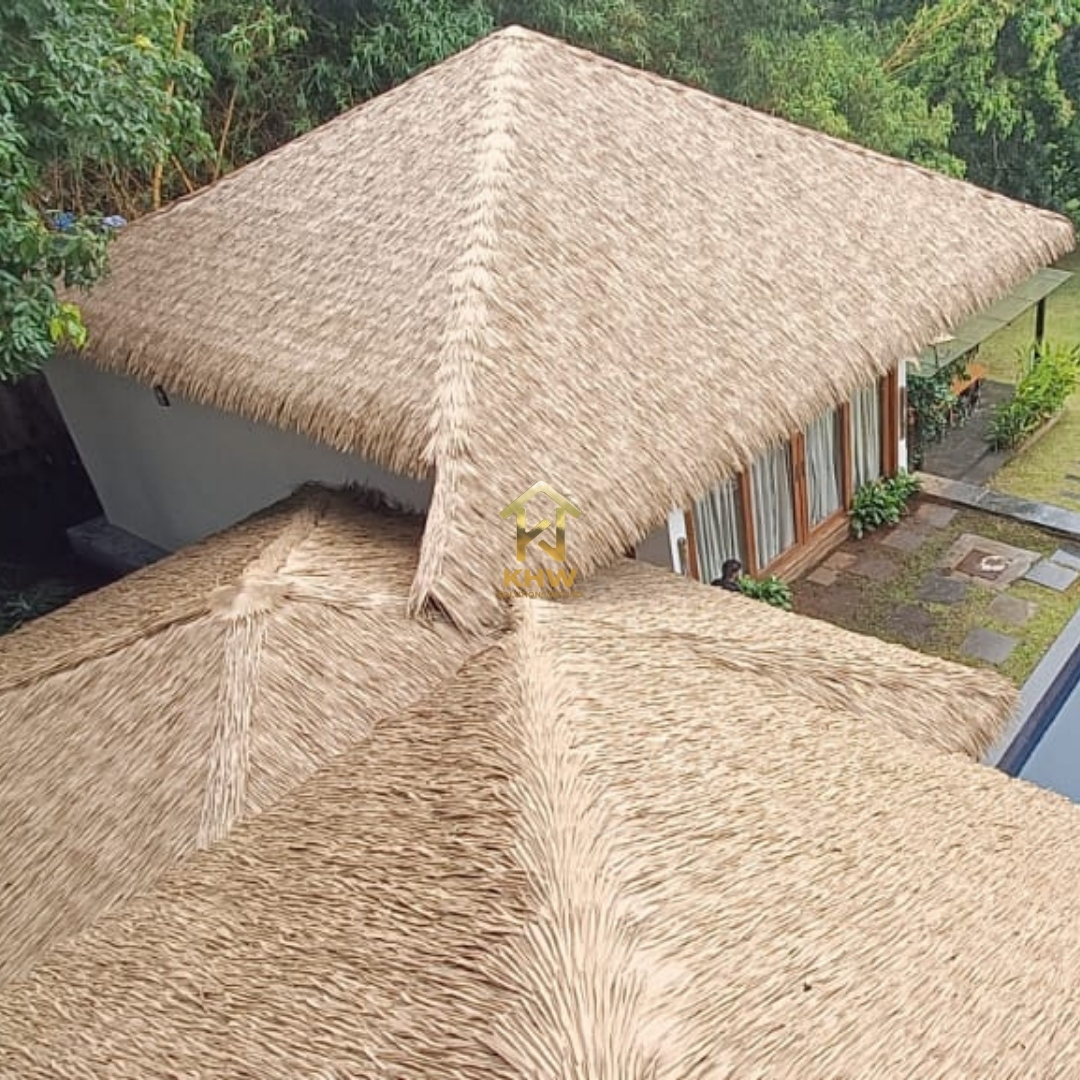
• Fire-retardant synthetic thatch roofing
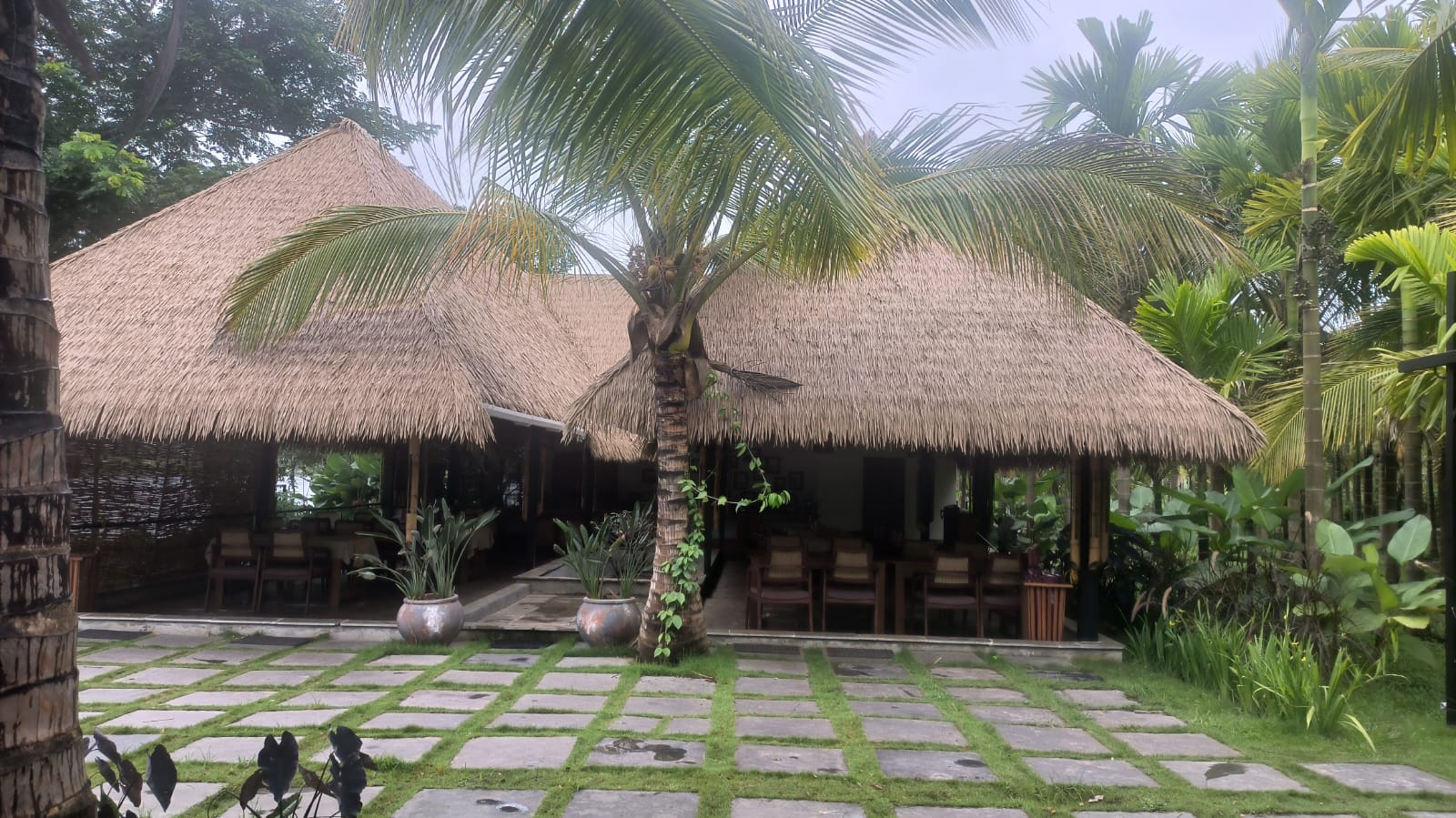
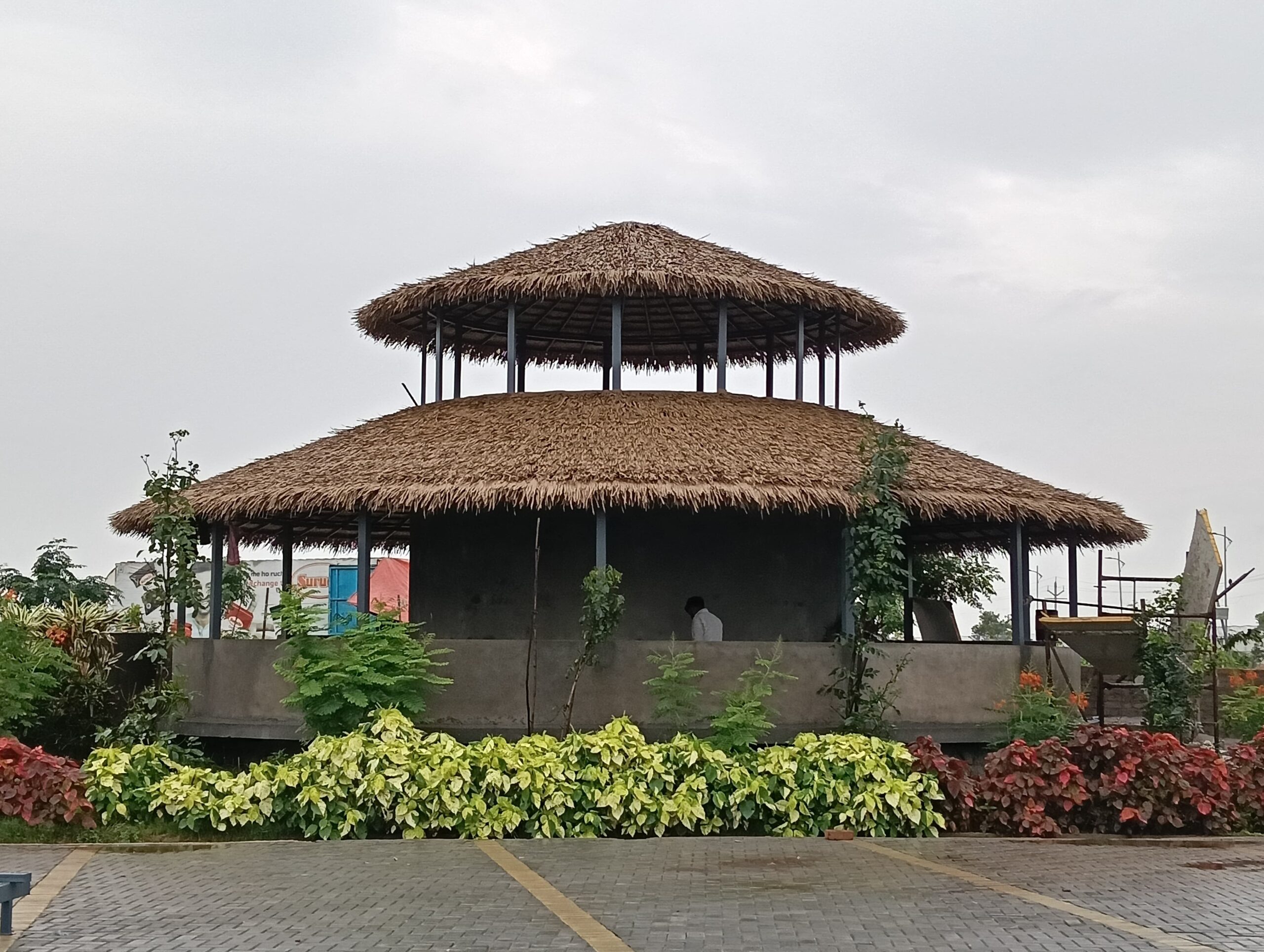
Among these, fire-retardant synthetic thatch has gained popularity in tropical-themed resorts and public spaces because it delivers visual appeal without compromising safety.
Thatch Roofing Is Available in a Fire-Retardant Option
It is important to clarify that thatch roofing is not limited to highly flammable natural materials.
Modern synthetic thatch roofing is available in two variants:
• Regular synthetic thatch – widely used for open outdoor areas
• Fire-retardant synthetic thatch – engineered to slow flame spread and meet safety requirements
The fire-retardant option is specifically designed for projects where safety regulations, insurance policies, or enclosed public use demand higher fire resistance—while still maintaining a natural tropical appearance.
This allows resorts and public properties to enjoy the aesthetics of thatch roofing without the risks associated with natural thatch.
Legal Compliance and Building Regulations
Fire safety regulations for public and hospitality buildings are becoming increasingly strict. Most resorts, hotels, restaurants, and event venues require:
• Fire safety clearance certificates
• Regular safety audits
• Insurance approvals
Using fire-retardant roofing materials, including fire-retardant thatch roofing, significantly improves approval timelines and compliance success.
In many regions, combustible roofing materials may require additional systems such as:
• Sprinkler installations
• Fire-proof coatings
• Extra fire exits
Selecting fire-retardant roofing from the design stage helps avoid costly redesigns, project delays, and legal complications.
Protecting Guests, Staff, and Brand Reputation
Safety incidents can severely impact a hospitality brand. Even small fire accidents can result in:
• Negative media coverage
• Loss of guest trust
• Online reputation damage
• Decline in bookings
Fire-retardant roofing acts as a preventive safety layer, protecting:
• Guests enjoying leisure and dining spaces
• Employees working on-site daily
• The owner’s long-term investment
A safe environment enhances guest comfort and confidence, directly influencing experience and loyalty.
Fire Safety and Insurance Advantages
Insurance providers carefully assess construction materials before issuing or renewing commercial policies.
Properties with combustible roofing often face:
• Higher insurance premiums
• Limited coverage options
• Stricter compliance requirements
Fire-retardant roofing materials offer:
• Lower fire risk ratings
• Improved claim eligibility
• Reduced long-term insurance costs
Over time, this results in substantial financial savings.
Fire-Retardant Synthetic Thatch: The Best of Safety and Design
For resorts and themed spaces that want a tropical look without compromising safety, fire-retardant synthetic thatch is the ideal solution.
High-quality fire-retardant synthetic thatch:
• Is made using fire-retardant polymers
• Slows flame spread
• Maintains structural stability longer during fire exposure
• Meets international safety standards
At the same time, it delivers:
• Authentic tropical aesthetics
• Long service life
• Resistance to moisture, insects, and decay
Reducing Fire Spread Across Resort Structures
Resorts often have multiple cottages, gazebos, bars, and dining spaces located close together.
Combustible roofing increases the risk of:
• Fire spreading between structures
• Chain-reaction property damage
Fire-retardant roofing helps contain fire within limited areas, reducing:
• Structural losses
• Evacuation complexity
• Overall financial damage
This is especially important for beach resorts, hill resorts, and event venues.
Cost of Fire Safety vs Cost of Fire Damage
While fire-retardant roofing may have a slightly higher upfront cost, the long-term comparison is clear.
Fire damage can result in:
• Structural repairs
• Equipment replacement
• Business downtime
• Legal and compensation claims
These costs far exceed the initial investment in fire-retardant roofing. Fire safety should always be viewed as risk prevention, not an expense.
Fire Safety as a Competitive Advantage
Modern guests value professionally managed, safety-conscious properties.
Fire-safe construction helps:
• Build guest confidence
• Improve family-friendly appeal
• Strengthen brand trust
Displaying safety compliance also enhances credibility with partners, insurers, and regulatory authorities.
Conclusion: Safety Should Never Be Optional
In resorts and public spaces, fire safety is about more than regulations—it is about protecting lives, investments, and reputation.
Fire-retardant roofing plays a vital role in:
• Preventing rapid fire spread
• Supporting legal approvals
• Reducing insurance risks
• Ensuring guest and staff safety
With fire-retardant synthetic thatch roofing now available, property owners no longer have to choose between tropical design and responsible construction.
For any hospitality or public-use project, fire-retardant roofing—and fire-retardant thatch in particular—is not just a smart choice, it is an essential one.