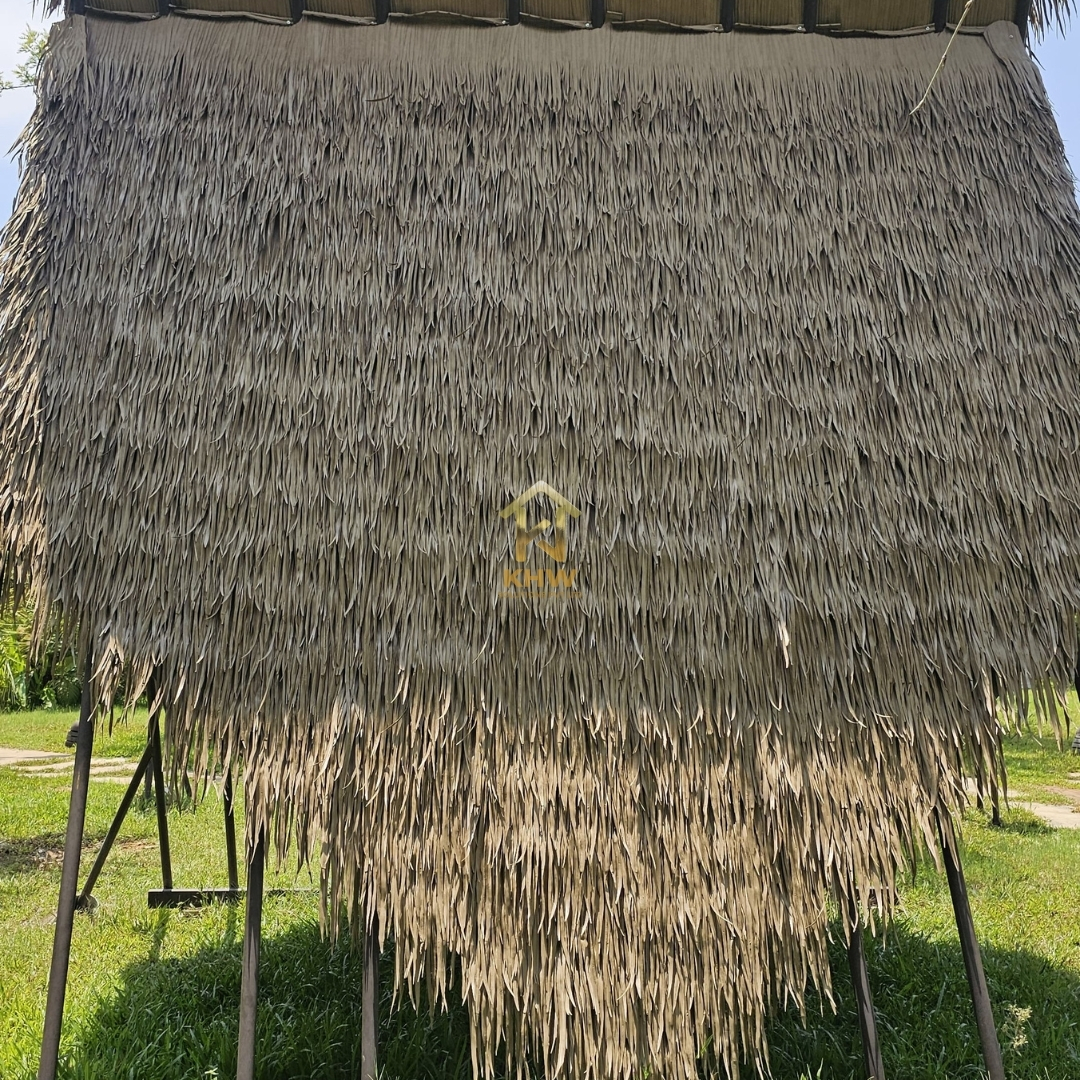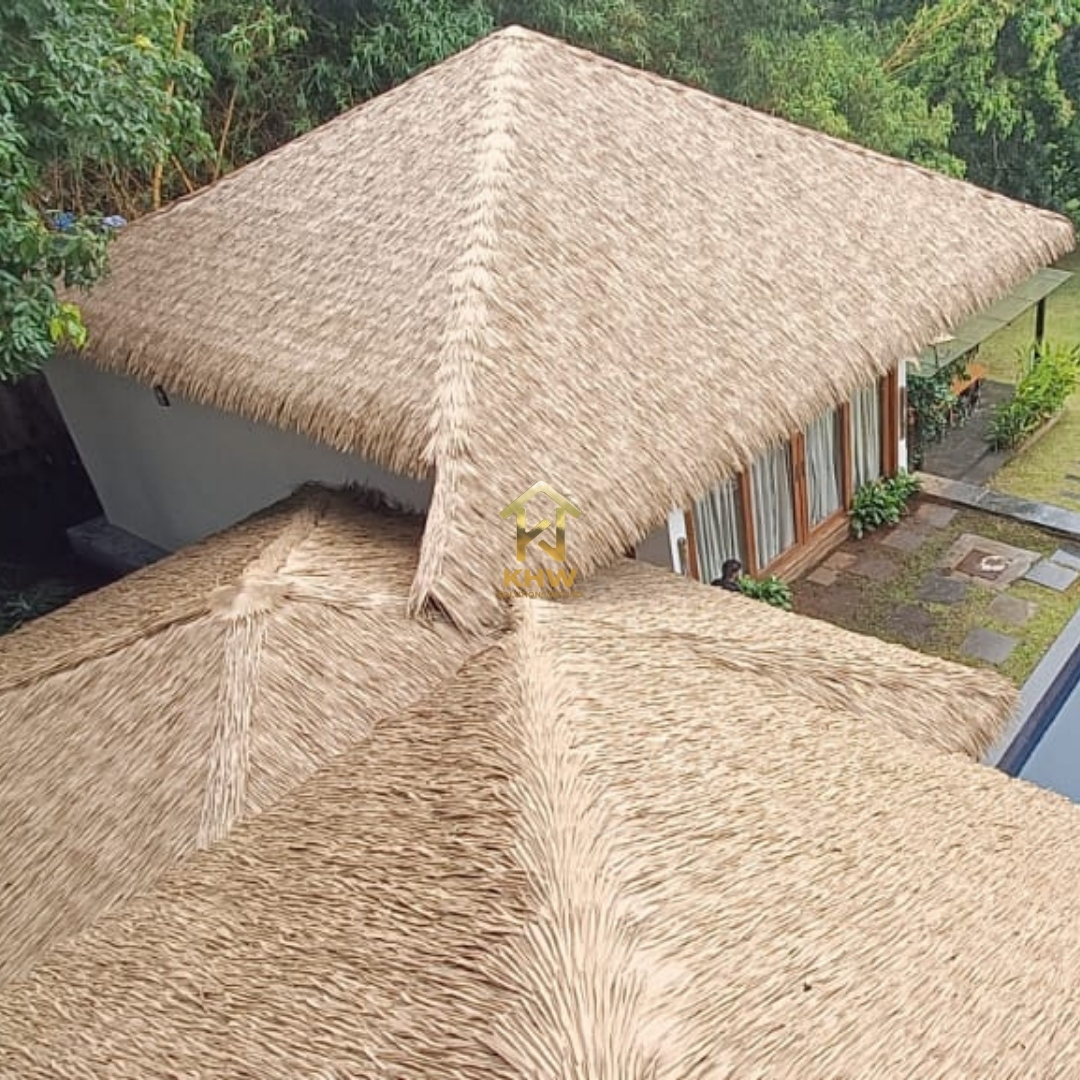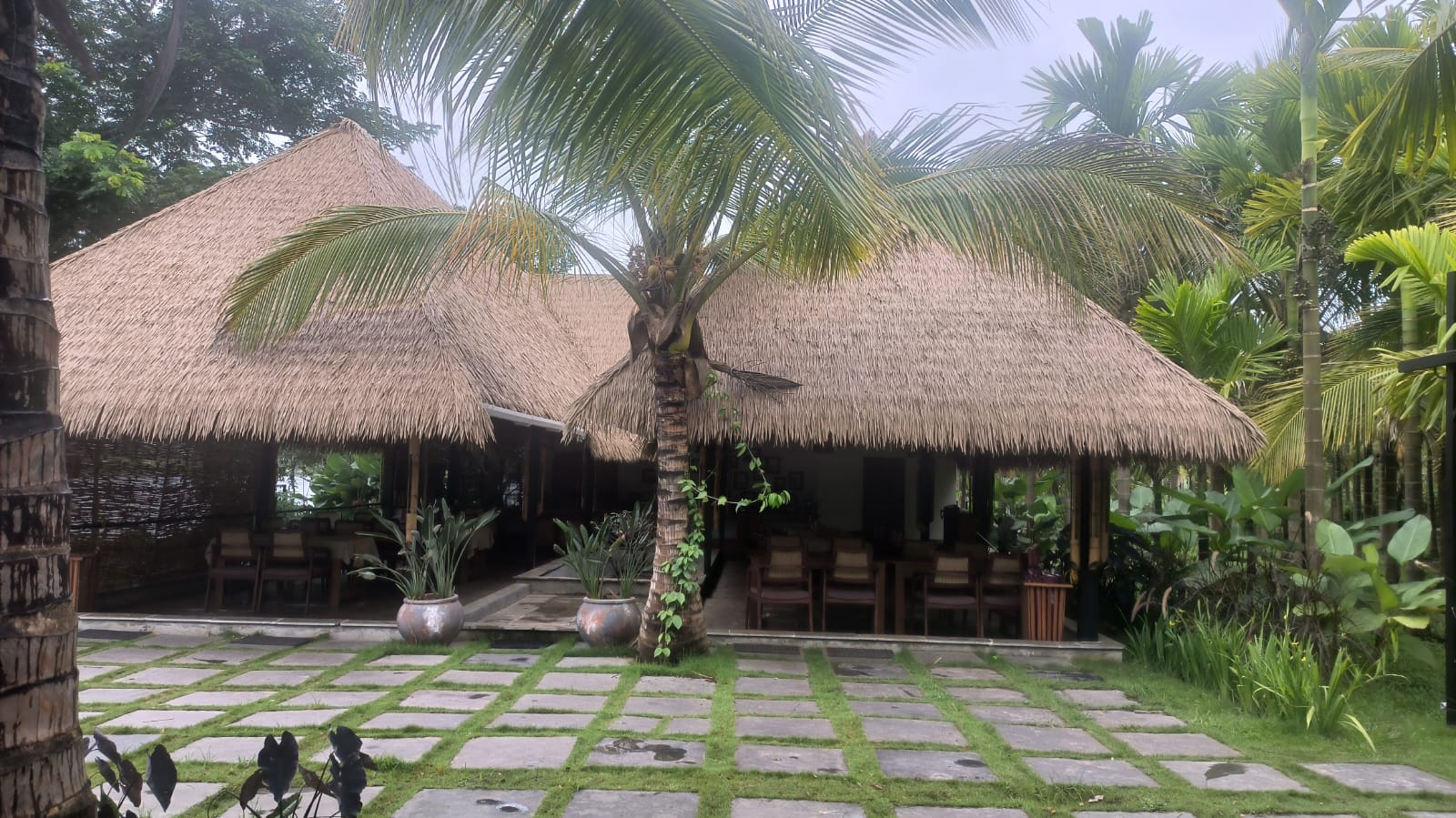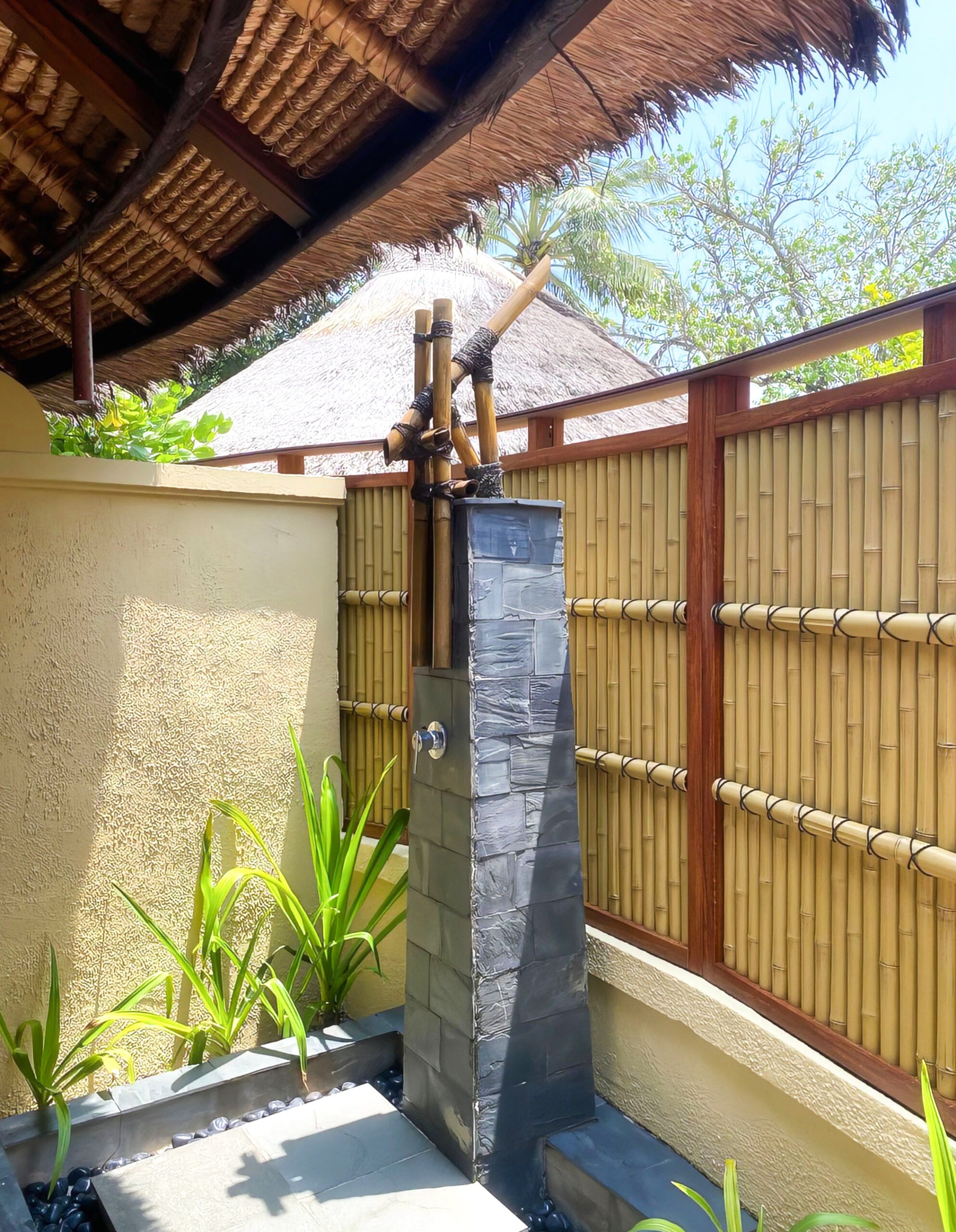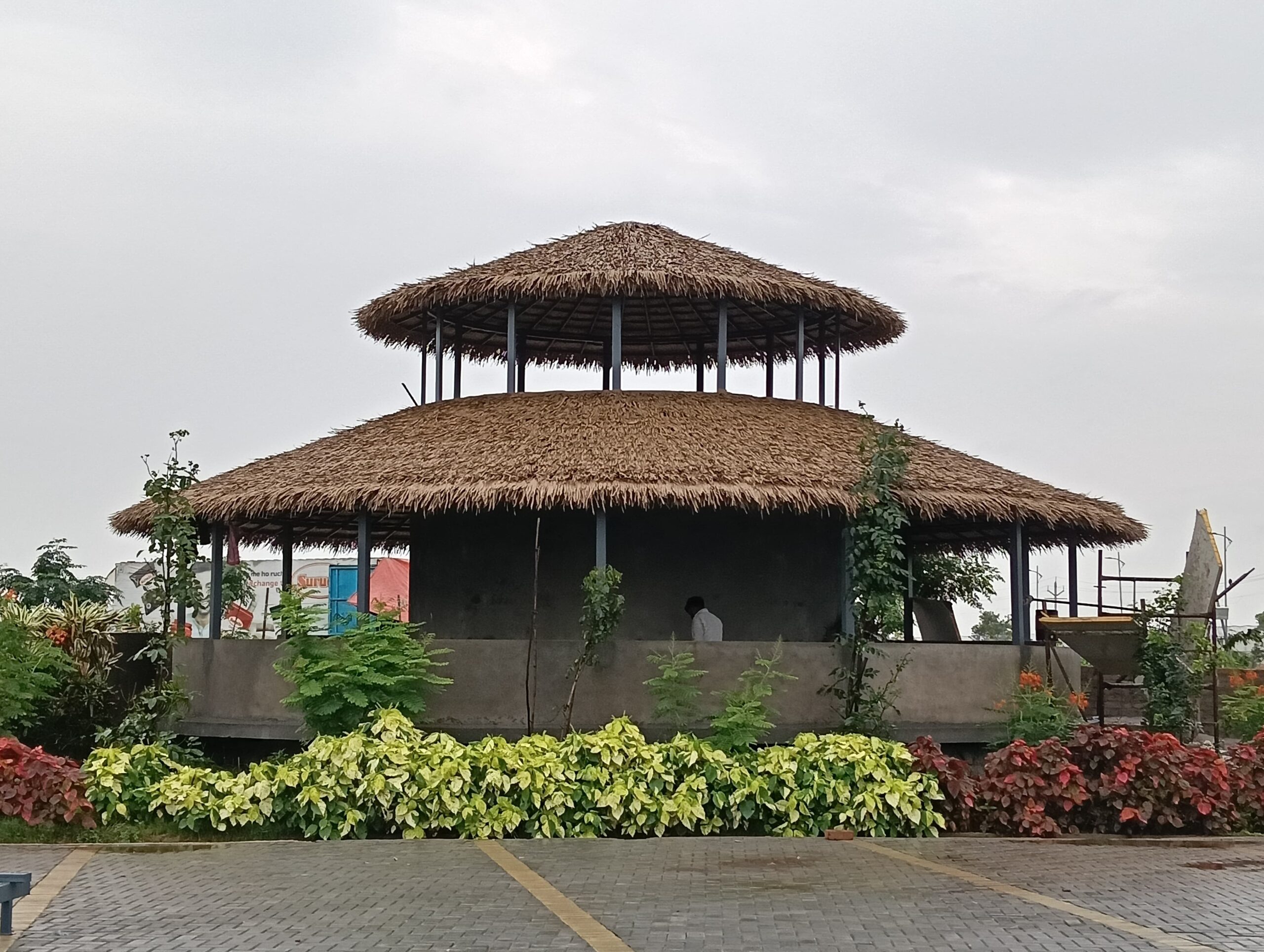
Thatch roofing adds beauty, warmth, and character to outdoor structures—whether it’s a beachside resort, a backyard gazebo, or a luxury eco-villa. Today, both natural thatch and synthetic thatch are widely used across the world. But choosing the right type of thatch depends heavily on one thing many people overlook: the climate.
From hot tropical coasts to cool mountain regions, every climate presents unique challenges. Understanding how thatch performs in different environments helps you choose a roofing solution that not only looks stunning but also lasts for years.
This guide covers the key factors you should consider when selecting thatch for various climates, along with practical insights for architects, property owners, and resort developers.
1. Temperature and Heat Resistance
Hot & Tropical Climates
Regions like Goa, Kerala, Bali, Thailand, and the Maldives experience high temperatures throughout the year. In such places, thatch roofing must:
- Resist UV damage
- Stay cool under the sun
- Maintain color without fading
Natural thatch tends to dry out quickly and becomes brittle under extreme heat.
Synthetic thatch, especially UV-stabilized HDPE thatch, offers:
- Long-lasting color
- High heat resistance
- Cooler interiors thanks to excellent insulation
For hot climates, synthetic palm thatch is the best option due to its durability and strong UV protection.
2. Humidity and Moisture Levels
High-Humidity Areas
Coastal regions and rainforests have high humidity levels that affect roofing performance.
Natural thatch:
- Absorbs moisture
- Grows mold and mildew
- Attracts insects
- Needs frequent replacement
Synthetic thatch:
- Is waterproof
- Does not rot
- Stays mold-free
- Performs consistently in humid areas
If you are building in a coastal, tropical, or rainforest environment, synthetic thatch ensures longevity without maintenance issues.
3. Rainfall and Storm Intensity
Heavy Rainfall Zones
Cities like Mumbai, Mangalore, Kochi, and Colombo face intense monsoons. Heavy rain can quickly damage traditional thatch structures.
Key considerations:
- Drainage
- Water absorption
- Weight during rains
- Wind resistance
Synthetic thatch is engineered to:
- Shed water easily
- Stay lightweight even when wet
- Withstand storm-level winds
- Prevent leaks with proper underlay
For monsoon-prone regions, weather-resistant synthetic thatch is the most reliable.
4. Wind Conditions
High-Wind or Cyclone-Prone Regions
Areas along coastlines or elevated terrains often experience strong winds.
Natural thatch:
- Gets displaced easily
- Requires constant tying and repairs
- Loses its shape over time
High-quality synthetic thatch:
- Has secure fastening systems
- Is tested for wind speeds
- Maintains shape during storms
- Offers better roof stability
If your project is in a windy coastal region or hill station, choose synthetic thatch certified for high-wind zones.
5. Fire Safety Requirements
Regions with High Fire-Risk Conditions
Dry climates or areas with nearby forests increase the risk of fire-related damage.
Natural thatch is:
- Highly flammable
- Not suitable for dry, fire-prone climates
Synthetic thatch with built-in fire-retardant technology provides:
- Higher safety standards
- Compliance with hospitality and resort regulations
- Peace of mind for property owners
Fire-rated synthetic thatch is crucial for:
- Hotels
- Restaurants
- Parks
- Public recreational spaces
6. Pest Activity and Wildlife Presence
Areas with Termites, Birds, and Rodents
In many regions, natural thatch attracts:
- Termites
- Birds looking for nesting material
- Rodents seeking warmth
This leads to:
- Frequent repair
- Loss of material
- Higher costs
Synthetic thatch:
- Repels pests
- Does not provide edible or nest-friendly fibers
- Maintains its structure throughout the year
If your project is surrounded by natural vegetation or wildlife, synthetic thatch is a smarter, long-lasting option.
7. Aesthetic Expectations in Specific Climates
Different climates demand different styles of thatch for visual harmony.
Hot tropical climates:
Palm-style thatch panels work best.
Cool mountainous regions:
Reed or alpine-style synthetic thatch blends naturally with surroundings.
Luxury beach resorts:
Thick, layered tropical thatch gives a premium feel.
Eco-lodges in forests:
Earthy brown or dark natural-toned thatch enhances ambiance.
Synthetic thatch comes in multiple textures and styles, making it easy to match local aesthetics while ensuring durability.
8. Maintenance Requirements
High-Maintenance vs. Low-Maintenance Climates
Natural thatch requires:
- Re-thatching every 2–3 years
- Pest control
- Mold treatment
- Frequent inspections
Synthetic thatch:
- Needs zero maintenance
- Retains color for decades
- Stays intact in all seasons
If you are building a project in a remote area or a resort with constant guest flow, low-maintenance synthetic thatch is the most practical choice.
9. Budget and Long-Term Value
Climate Impacts Cost
In harsh climates (high humidity, heat, or rain), natural thatch becomes more expensive because it needs:
- Regular repair
- Frequent replacement
- More manpower
Synthetic thatch, although a higher upfront investment, gives:
- 20–30 years of life
- Zero recurring costs
- Stable performance
This makes it a cost-effective option for:
- Hospitality projects
- Outdoor commercial spaces
- Residential luxury structures
Final Thoughts
Choosing the right thatch roof isn’t just about aesthetics — it’s about understanding how climate impacts roofing performance, longevity, and overall project value. In almost every climate condition, high-quality synthetic thatch outperforms natural thatch in durability, safety, and sustainability.
It offers:
- Better protection in harsh climates
- Low maintenance in humid regions
- Fire resistance in dry areas
- Strong wind performance
- Long-term cost savings
Whether you are designing a resort, villa, gazebo, or outdoor lounge, selecting the right thatch based on climate ensures your structure remains safe, beautiful, and long-lasting.
Upgrade Your Project with KHW Synthetic Thatch
KHW Solutions provides premium, weather-resistant, and eco-friendly synthetic thatch roofing suitable for all climates across India and worldwide.
✔ Fire-resistant. ✔ UV-stable ✔ Long-lasting ✔ Perfect for resorts, villas, gazebos & outdoor spaces
Contact KHW Solutions today for a free quote and expert guidance.